

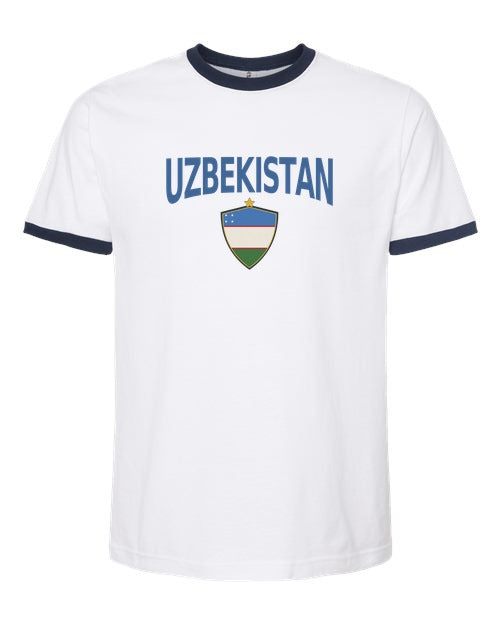
For decades, Central Asia waited for its moment on soccer's biggest stage. In 2026, Uzbekistan finally delivered it — qualifying for the first time in the nation's history and announcing the White Wolves to the world.
🐺 The Road to the Finals
Uzbekistan earned their place through the Asian (AFC) route, finishing in the automatic qualifying places and clinching with a disciplined 0–0 draw away to the UAE in June 2025 — no play-off needed. It was the payoff for roughly 35 years of near-misses since independence, and it made Uzbekistan the first Central Asian nation to reach the finals. To lead them, the federation brought in a heavyweight: Fabio Cannavaro, the Italian legend and former world champion.
⚽ A Debut to Build On
Drawn into Group K with Portugal, Colombia, and DR Congo, Uzbekistan felt the full force of elite competition and exited at the group stage. But the history books already had their entry: 22-year-old Abbosbek Fayzullaev scored Uzbekistan's first-ever goal at the finals, against Colombia — a moment that will be replayed in the country for generations.
🕌 The Culture Behind the Crest
Uzbekistan sits at the crossroads of the ancient Silk Road, home to the fabled cities of Samarkand, Bukhara, and Khiva and the breathtaking turquoise domes of Timurid architecture like the Registan. Its national dish, plov — a fragrant rice, lamb, and carrot feast — anchors every celebration, and its young, football-mad population has been waiting a lifetime for a team to cheer on the world stage.
🌟 Players to Know
- Eldor Shomurodov — the captain and all-time top scorer, a prolific striker with years of experience in Italian and Turkish football.
- Abbosbek Fayzullaev — the 22-year-old attacking midfielder who scored the nation's historic first goal.
Celebrate a debut for the ages. Shop the Uzbekistan 2026 collection — retro crest tees, ringer tees, trucker caps, and totes:


Every nation, one home. Explore all 48 teams in our 2026 Soccer collection — printed and shipped from NYC Factory. ⚽



Share:
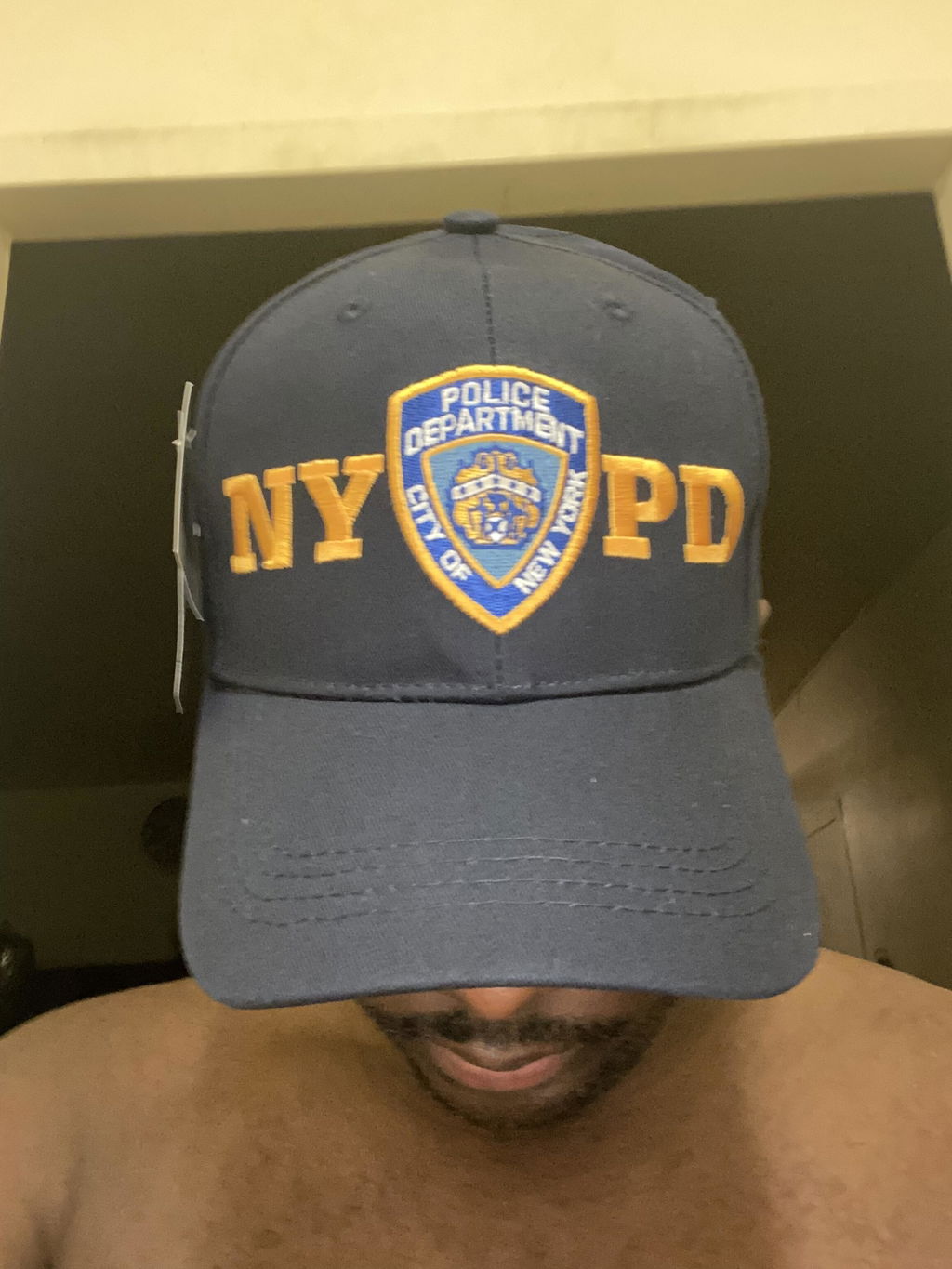
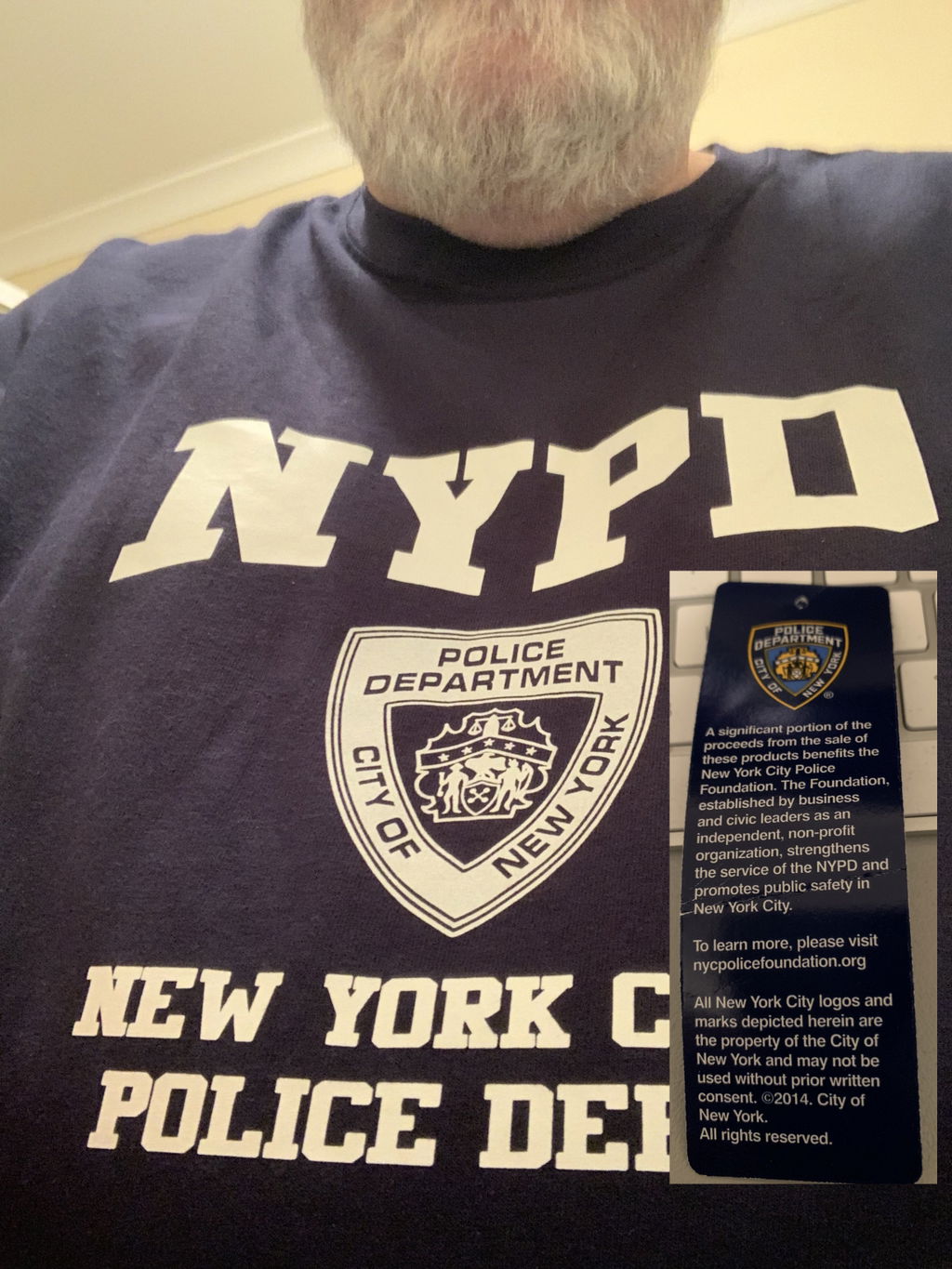
FDNY vs NYPD Apparel: What Is the Difference?
Best Gifts for People Who Love New York City in 2026